A furnace burns fuel a few feet from the air you breathe. Every heating call is a safety inspection first, a comfort call second.
The common patterns we see across Bexar County. Yours gets diagnosed with gauges, not this table — but it tells you what to expect.
Tell us your symptomTexas heating seasons are short, which is exactly why problems go unnoticed until the first hard freeze — the night everyone in the county calls at once.
A furnace burns fuel a few feet from the air your family breathes. Anything we find on the safety side gets shown to you, in plain language, before we talk about comfort.
Licensed, named, on time, in a marked truck.
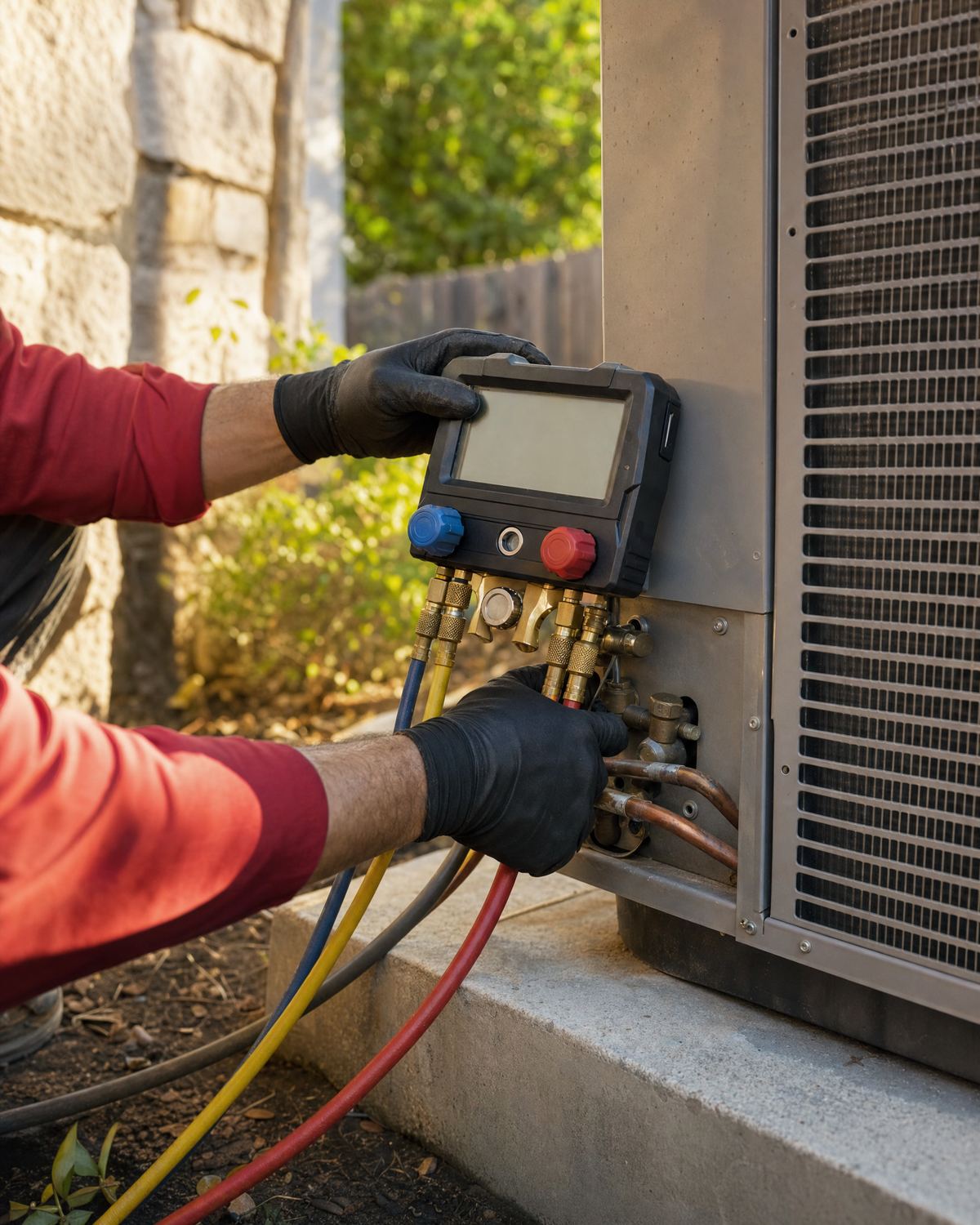
Pressures, temperatures, airflow, electrical — on the equipment you actually have.
The number in writing before a wrench turns. Repair or replace, both cases honestly.
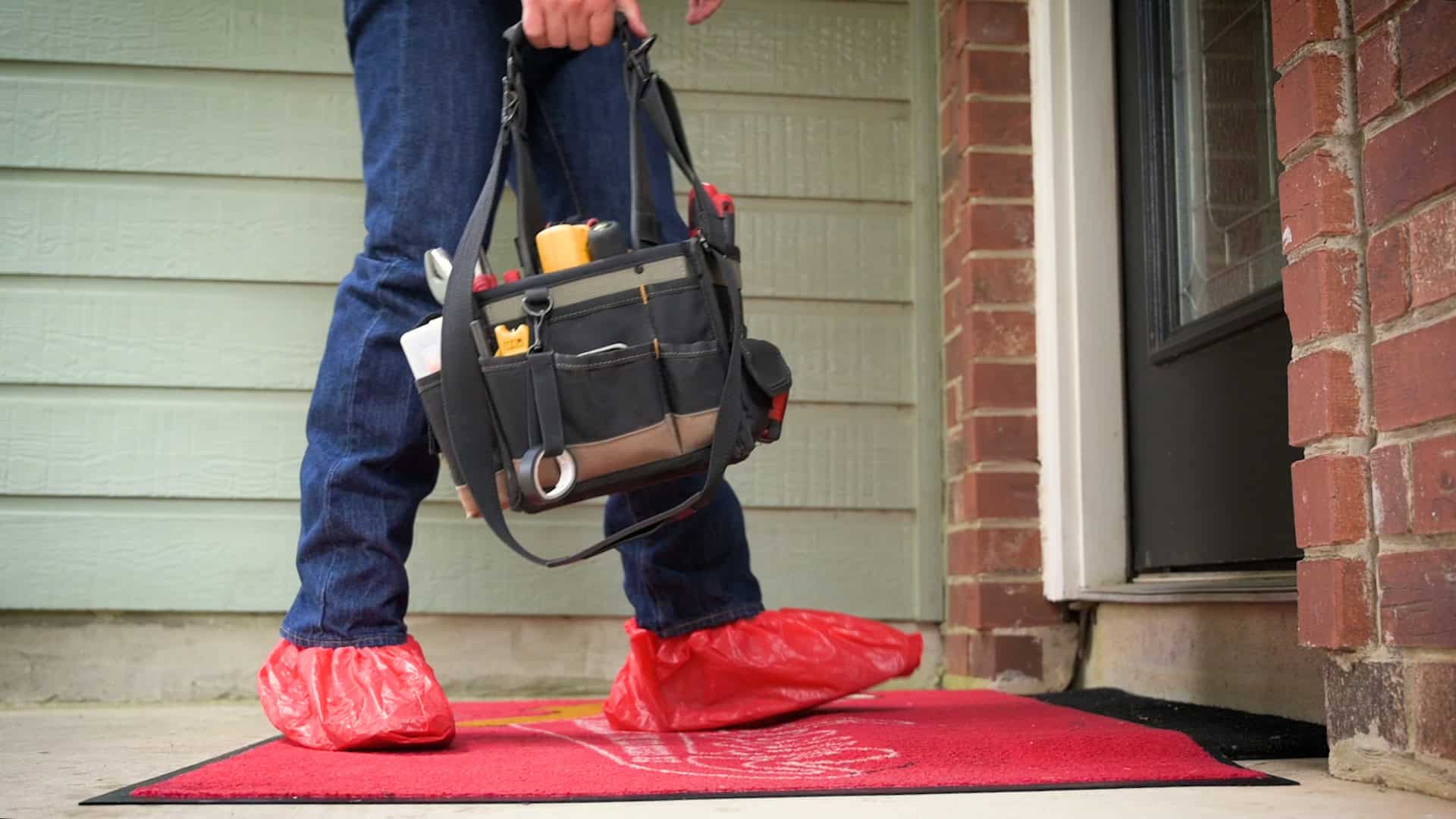
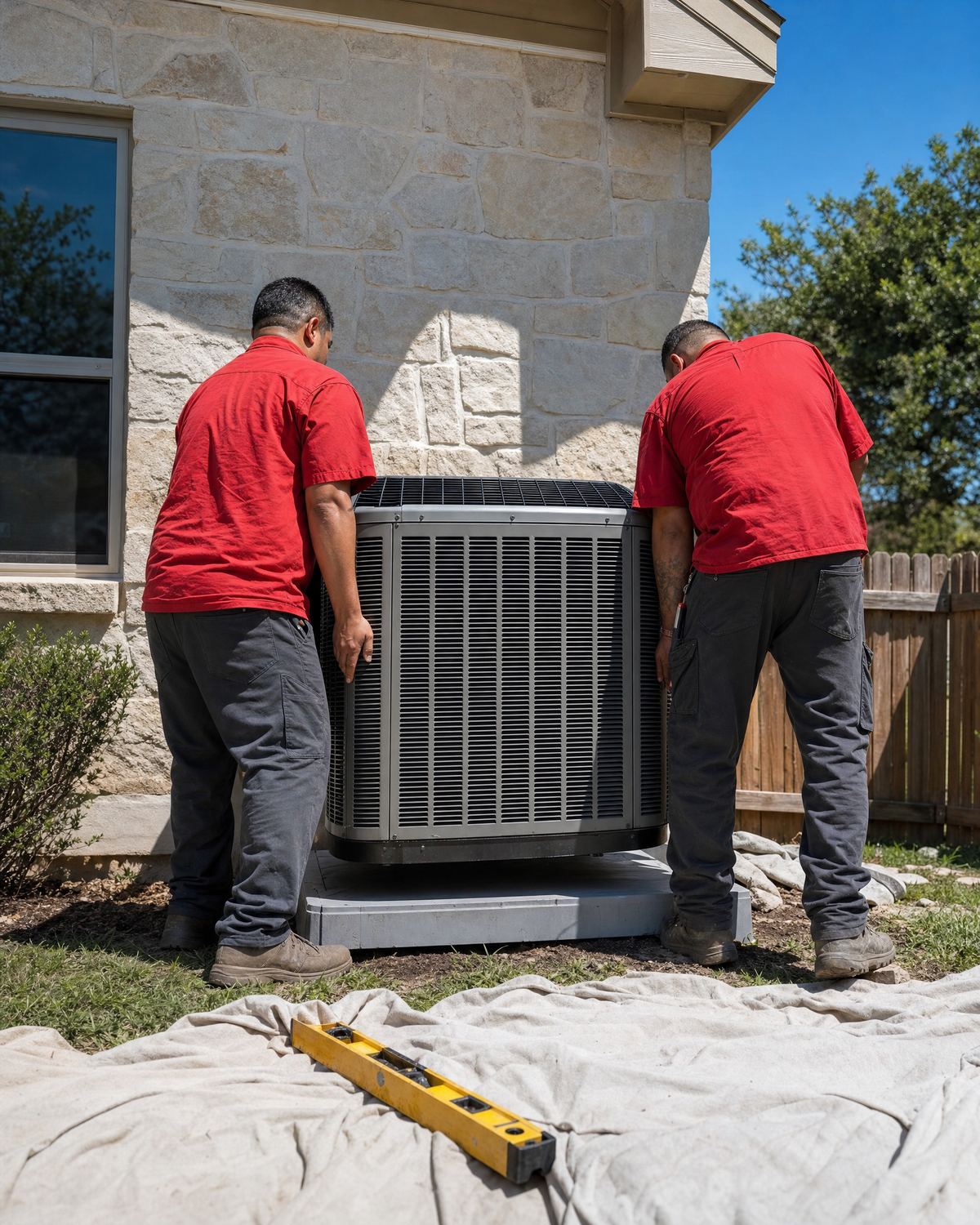
Re-checked with you standing there, site cleaner than we found it.
More of them, with numbers, on the questions page →
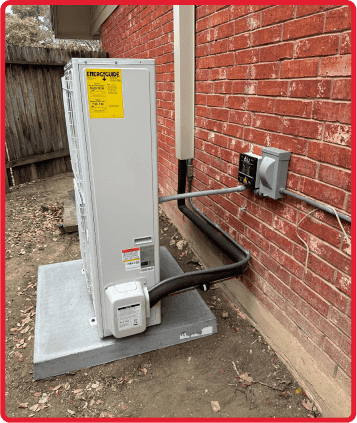
It is defrosting. The outdoor coil ices in cold damp weather and the system briefly reverses to clear it. A few minutes is normal; a permanent draft is not.
Electric strips use several times the power of the heat pump itself. They are meant to assist in a cold snap, not run daily — if yours is always on, something is wrong.
Take it seriously. If a CO alarm sounds, leave and call from outside. A gas furnace tune-up should include the heat exchanger, combustion and venting.
Once a year, before the first cold snap. Most no-heat calls in January trace back to something a fall visit would have caught.
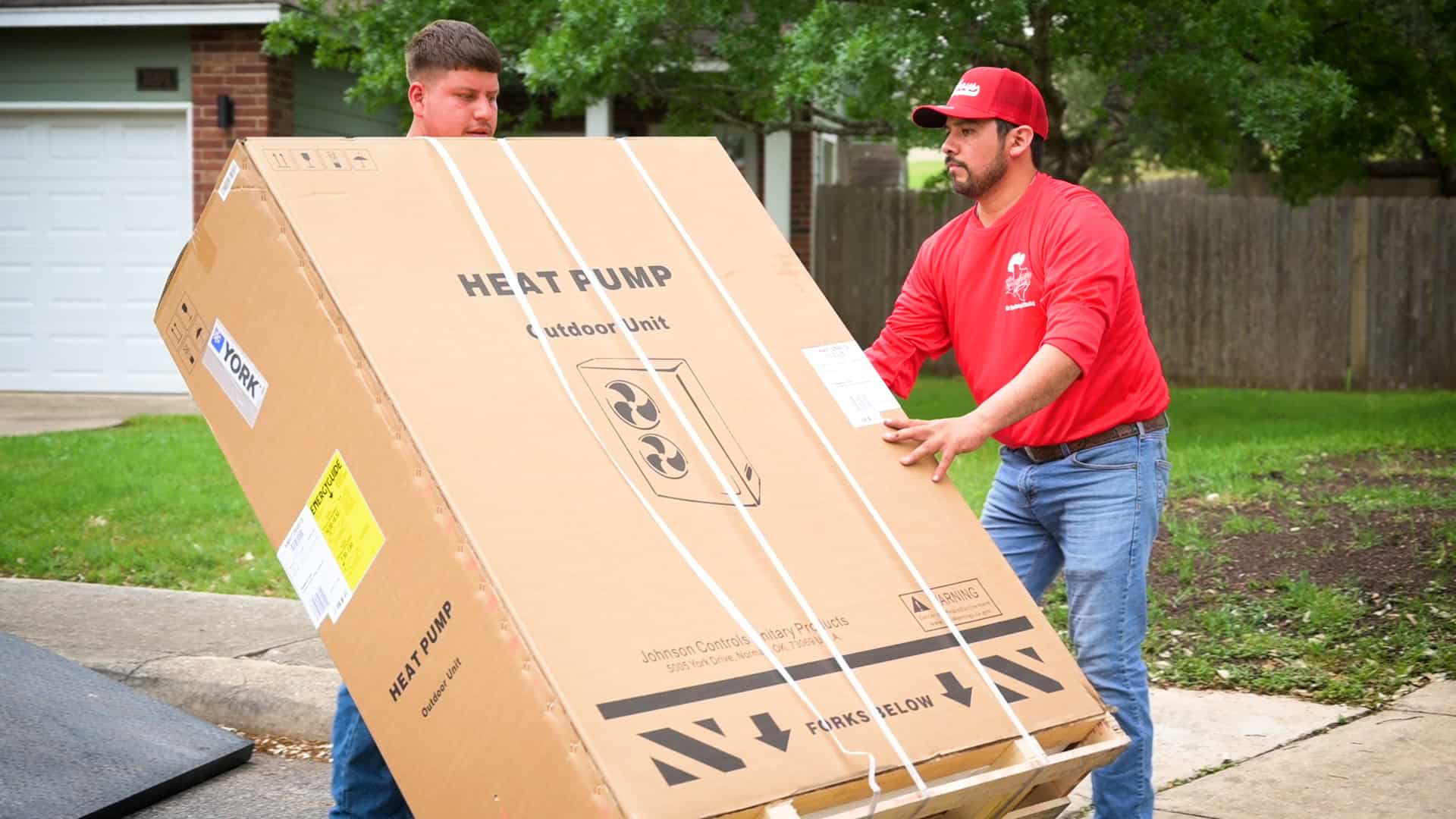
Yes — gas, electric, straight-cool with strips, and dual-fuel, from every major brand.
A real person answers, a marked truck rolls, and the price you hear is the price you pay. Dispatched to 82 towns and neighborhoods across ten counties.